
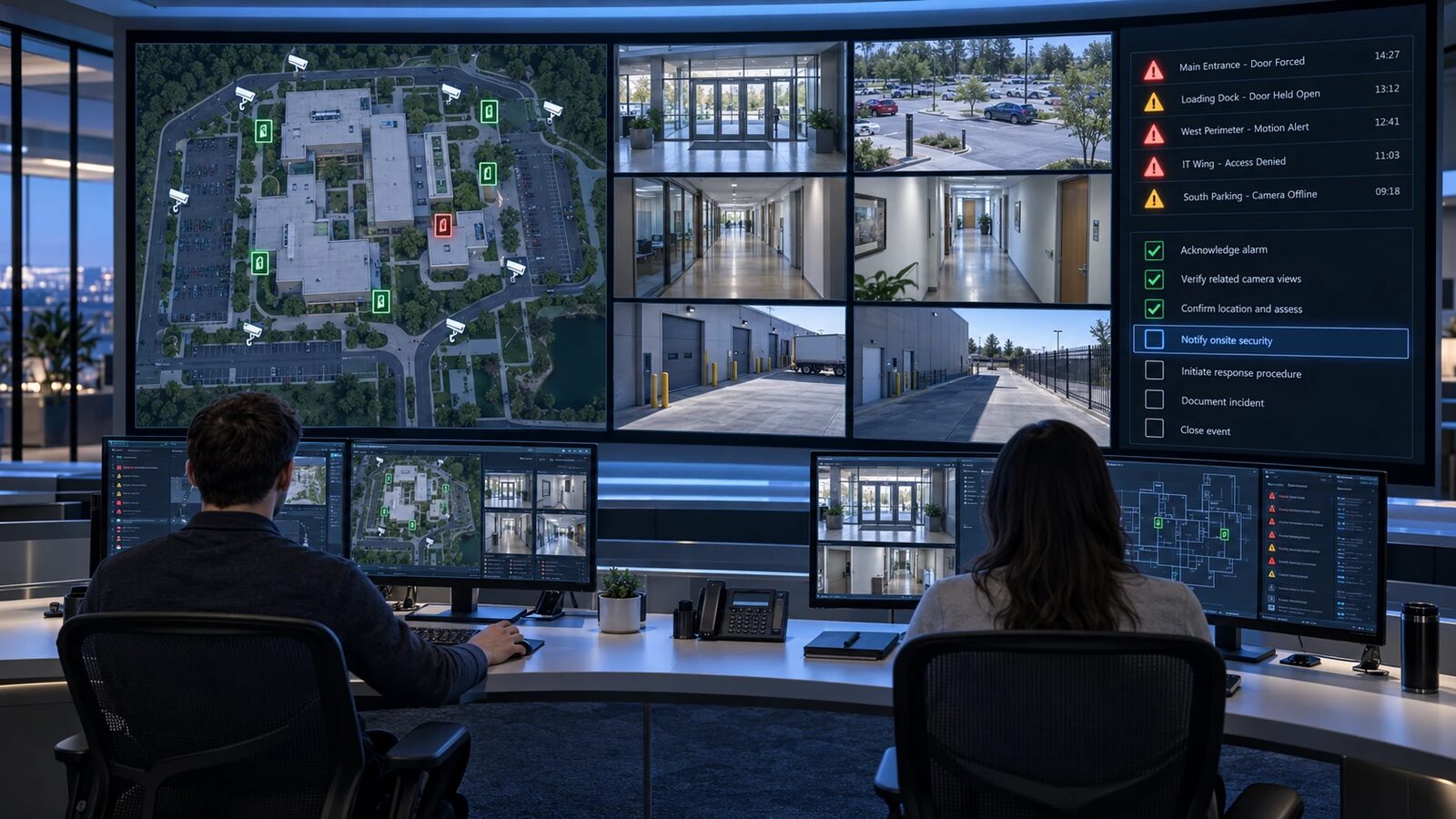
AI-enabled command & control that operators can actually run.
We unify fragmented physical security operations into an AI-enabled PSIM/SOC model that actually runs: integrated systems, standardized playbooks, actionable dashboards, and audit-ready reporting.
- AI-enabled event triage: threat visualization + alarm prioritization
- Automated workflows/playbooks tied to video, access control, and sensors
- Federated multi-site operations + health monitoring
- Forensics: timelines, exports, and compliance-ready reports
Recommended when alarm volume is high and response must be consistent
- SOC / GSOC teams coordinating response across multiple sites
- Environments with high alarm volume and false-positive fatigue
- Programs that need audit-ready timelines, reporting, and after-action reviews
- Stacks that must unify VMS, access control, intrusion/PIDS, and sensors
- We map alarm taxonomy + playbooks so operators have a repeatable process
- We integrate context (video + access events) into the alarm workflow for faster verification
- We commission with acceptance tests, training, and reporting outputs
- We stay engaged to tune nuisance alarms and keep workflows current
A PSIM/SOC layer that turns events into consistent action.
Command & control is where systems stop being tools and become an operational program: alarms are prioritized, context is attached, operators follow playbooks, and leaders can audit outcomes.
We focus on interoperability and operational reality: your VMS, access control, and sensor stack must feed one workflow without creating extra operator burden.
AI-enabled layers can improve signal quality and speed investigations, but only if they're tuned, validated, and integrated into the same operator playbooks.
What we deliver
End-to-end delivery-installation, configuration, workflows, and ongoing support-so the system holds up in production.
Alarm prioritization & playbooks
Rules and workflows that make alarms actionable: who is notified, what context loads, what actions occur, and what gets logged.
AI-enabled triage & detection layers
AI layers that help reduce false alarms, surface higher-risk events faster, and speed investigations-without changing the operator workflow into a science project.
Forensics & reporting
Incident timelines, exports, and audit-ready reporting aligned to internal policy and external requirements where applicable.
Integration architecture
A practical plan to connect VMS, access control, PIDS, intercoms, and sensors through stable connectors. No fragile glue.
Installation & commissioning
On-site installation and commissioning so the environment is production-ready: validated alarms, correct device states, and clean handoff documentation.
Configuration & integrations
Configuration that holds up over time: permissions, sites/zones, workflow rules, and integrations designed for upgrades and expansion.
Operator enablement
Training, runbooks, and steady-state procedures so the team can run the system without vendor tribal knowledge.
Ongoing support & optimization
Support that keeps the program healthy: patch planning, health checks, alert hygiene, tuning, and continuous improvement as operations evolve.
From fragmented alarms to one operating picture.
A structured PSIM evaluation conducted to produce a defensible decision and pilot plan.
For a multi-site critical infrastructure org, we ran a structured PSIM evaluation built around real incident simulations and operator workflows, ending with a defensible decision, pilot plan, and 5-year cost view.
A structured path from requirements to operational reality
A predictable path from discovery to delivery, with clear checkpoints at every stage.
Related resources

PSIM System Evaluation and Recommendation
A structured PSIM evaluation across a fragmented, multi-site security environment: requirements definition, vendor qualification, business case modeling, and a phased rollout recommendation.
Read more
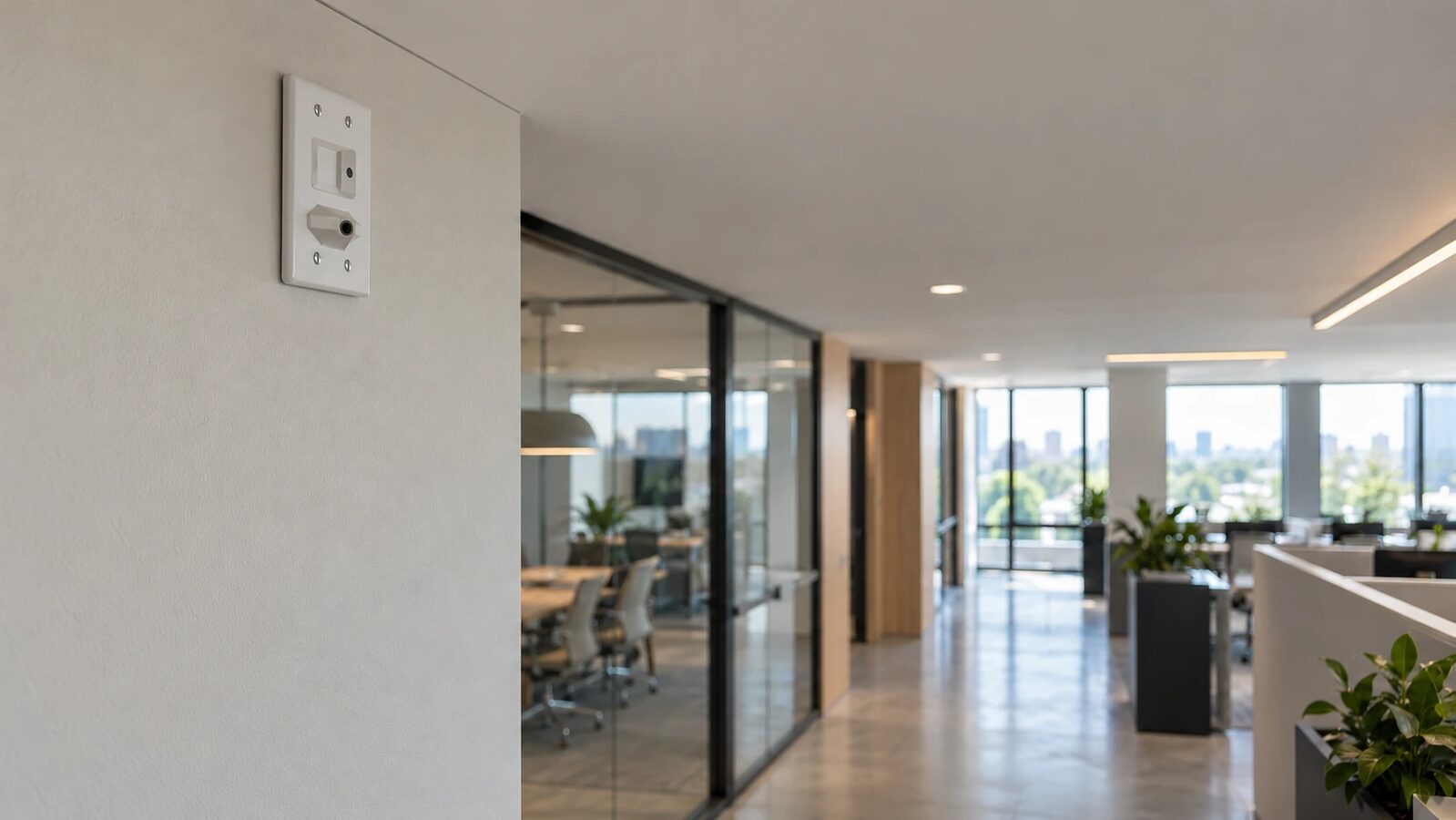
Validating Gunshot Detection Across a Corporate Headquarters Campus
How IoTHS validated Shooter Detection Systems gunshot detection and its Genetec integration across a three-building corporate headquarters campus.
Read more
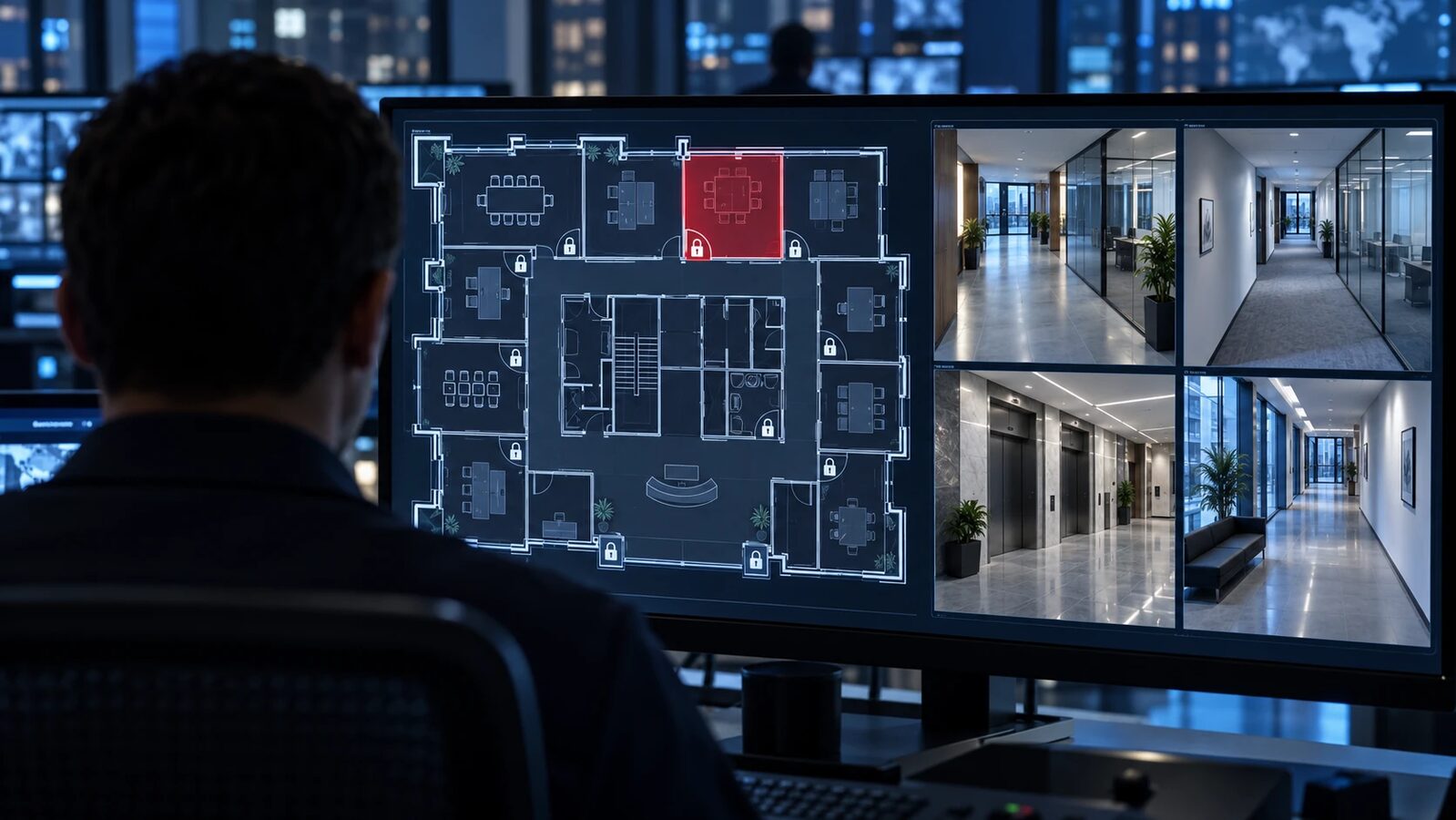
Gunshot Detection with Automated Response
How acoustic and infrared gunshot detection, verified alerts and automated camera, door and notification actions help a GSOC respond faster to an active threat.
Read more
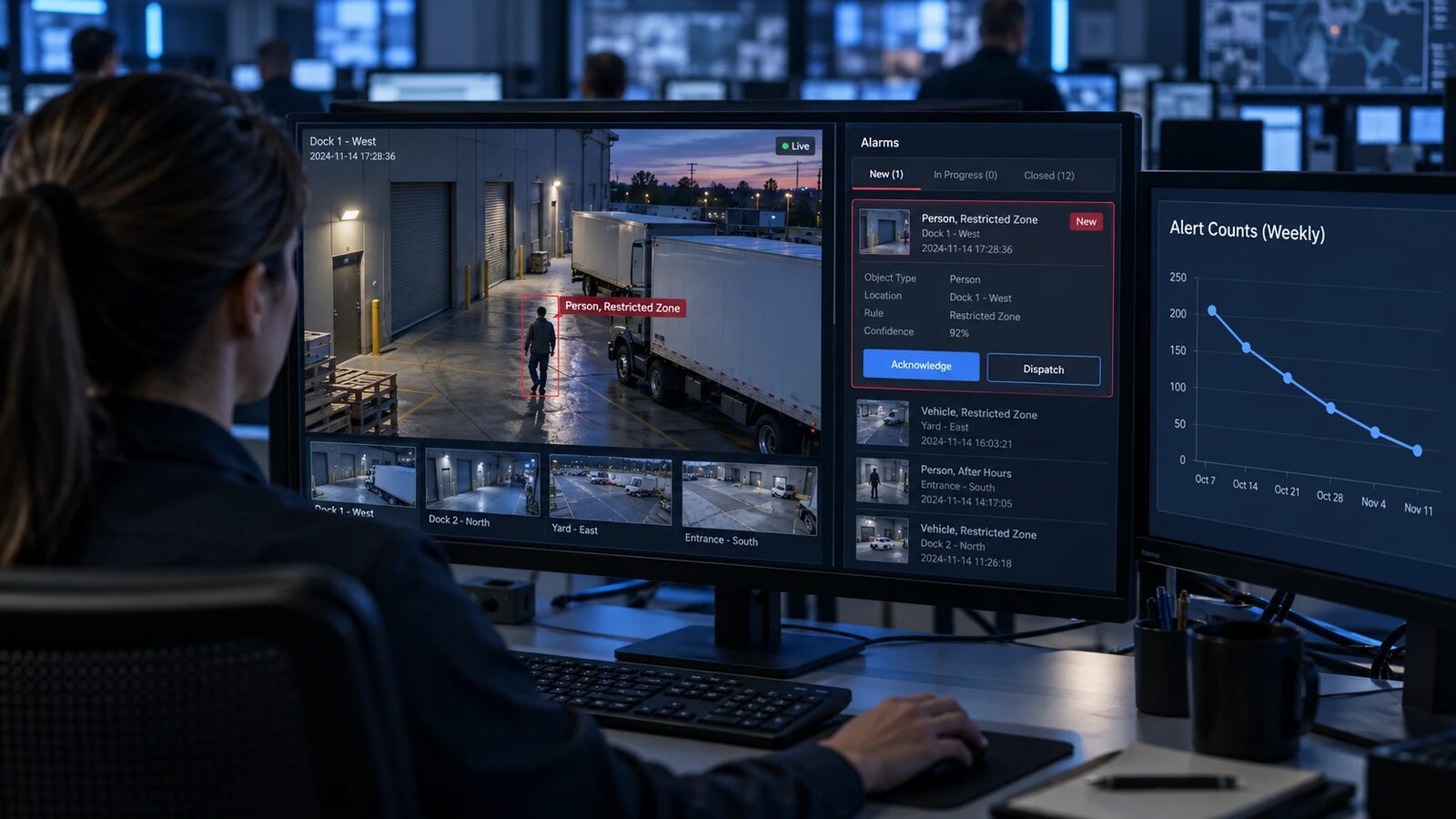
From Alert to Action: Putting AI Video Analytics into Operation
A practical method for AI video analytics: choosing use cases, red-team piloting, routing alerts into existing alarm workflows, tuning, privacy and scale.
Read more
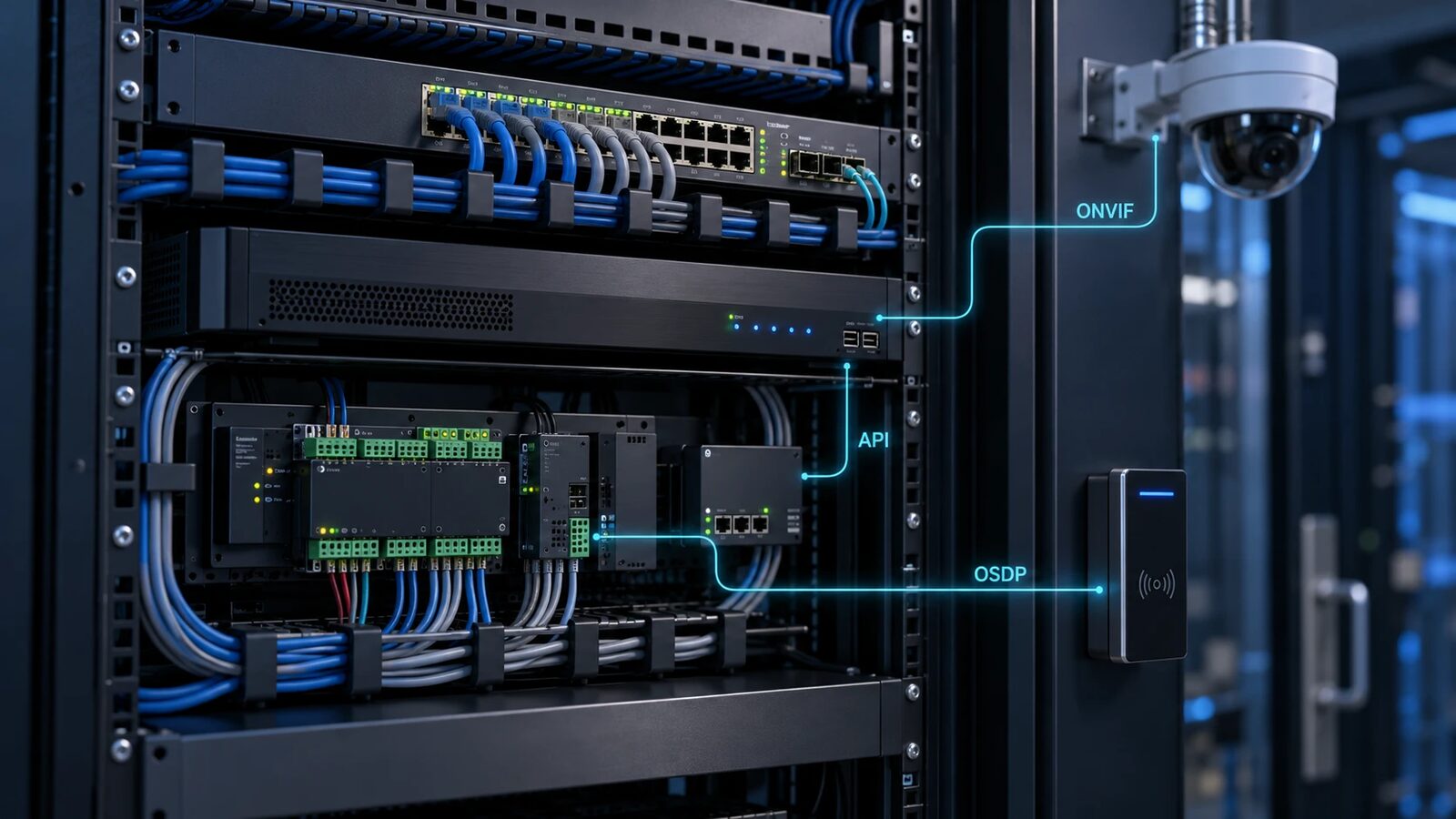
Integration Protocols for Unified Systems
A practical primer on the protocols that connect modern security platforms: APIs, event/webhook patterns, logging standards, and device-layer comms like BLE/NFC.
Read more
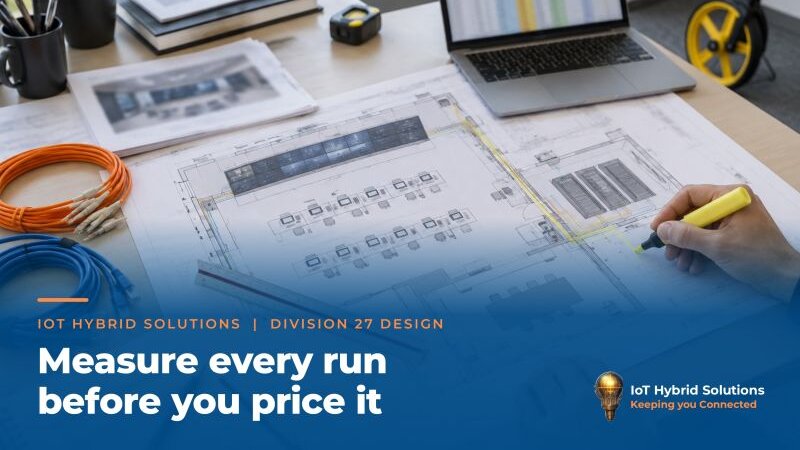
Cable Lengths Are a Design Deliverable, Not a Field Guess
Why we take off every cable run from the drawings before pricing a command center, and what a quick estimate would have missed.
Read more