
Gunshot Detection with Automated Response
How acoustic and infrared gunshot detection, verified alerts and automated camera, door and notification actions help a GSOC respond faster to an active threat.
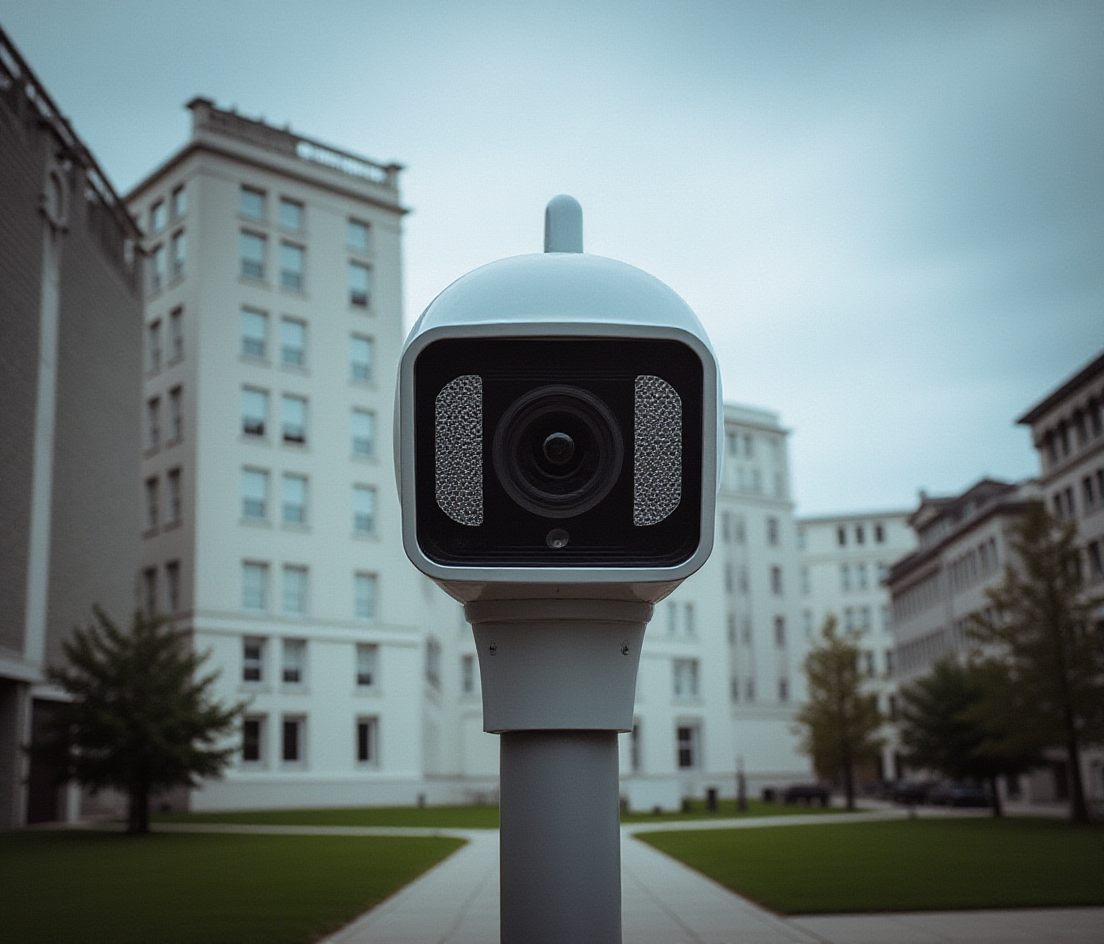
In an active shooter event, the first minutes decide outcomes, and those minutes are often lost to confusion. People are unsure what they heard, 911 calls give conflicting locations, and the security team pieces together the picture from radio traffic. Automated gunshot detection gives the GSOC an immediate, located alert and lets the security platform start the response steps the organization has already agreed.
The problem
Without detection, an organization depends on people to recognize gunfire and report it accurately. Common gaps include:
- Delayed awareness, because sounds are mistaken for something else or nobody wants to be the one to raise an alarm.
- Poor location data, especially in parking structures, large open spaces and multi-floor buildings.
- Manual response steps, where operators must find cameras, lock doors and send notifications one at a time while under pressure.
The approach
Detection with built-in verification
Sensors that combine acoustic and infrared detection, such as those from Shooter Detection Systems, listen for the sound signature of a gunshot and look for the muzzle flash. Requiring both reduces false alerts from door slams, vehicle backfires, tools and crowd noise. Sensors are placed to cover the most likely areas: lobbies, hallways, large communal spaces, parking structures and exterior or rooftop areas.
Alerts on the GSOC map
Each alert is delivered to the security platform, for example Genetec Security Center, with the sensor's location on the map, so operators see the building, floor or parking level at once. Alerts are logged and exportable for review afterward.
Automated actions per policy
The platform can run a pre-approved response the moment an alert arrives:
- Camera call-up of the views nearest the sensor, so operators can confirm what is happening.
- Door actions, such as locking down specific doors or areas, where policy and life safety codes allow.
- Notifications through the existing mass notification platform to occupants, and to the GSOC dispatch chain.
- First responder information, including location and video, shared through the agreed channel.
Which steps run automatically and which require an operator decision is a policy choice made with security leadership, legal, HR and local responders.
What it takes to get right
- Design. Sensor coverage follows building geometry, ceiling heights and acoustics. Parking structures and atriums need particular care.
- Integration. Event mapping, camera associations, door groups and notification templates are configured and reviewed with the GSOC before go-live.
- Testing. A structured test plan with a pass/fail matrix covers pre-functional checks (power, time sync, firmware, alert path), detection using approved emulators, noise rejection with common impulse sounds, localization accuracy, a baseline soak of one to two weeks, and cybersecurity checks such as segmentation, encryption in transit and authentication.
- Live-fire validation. Emulators and controlled simulations are effective but are not real gunfire. As a best practice, we recommend planning live-fire validation with local law enforcement, at a suitable time and with appropriate safety controls, before relying on the system in full.
- Policy and training. Operators need a playbook and regular drills so the automated actions match how the organization actually responds.
- Third-party work. Network ports, VLANs and PoE are typically provided by customer IT, and any electrical work by licensed electrical contractors, unless IoTHS is contracted for them.
Where it fits
Gunshot detection suits corporate headquarters, campuses, schools, healthcare facilities and venues with large public spaces or structured parking. A pilot covering a few representative areas is a practical way to validate detection and the response workflow. See how one program approached it in the gunshot detection campus validation case study.
Next step
Contact us to discuss a coverage assessment or pilot, or learn more about our work with Shooter Detection Systems.
Talk to an engineer
Short call, quick requirements pass, and a recommended next step you can act on.
Contact us